
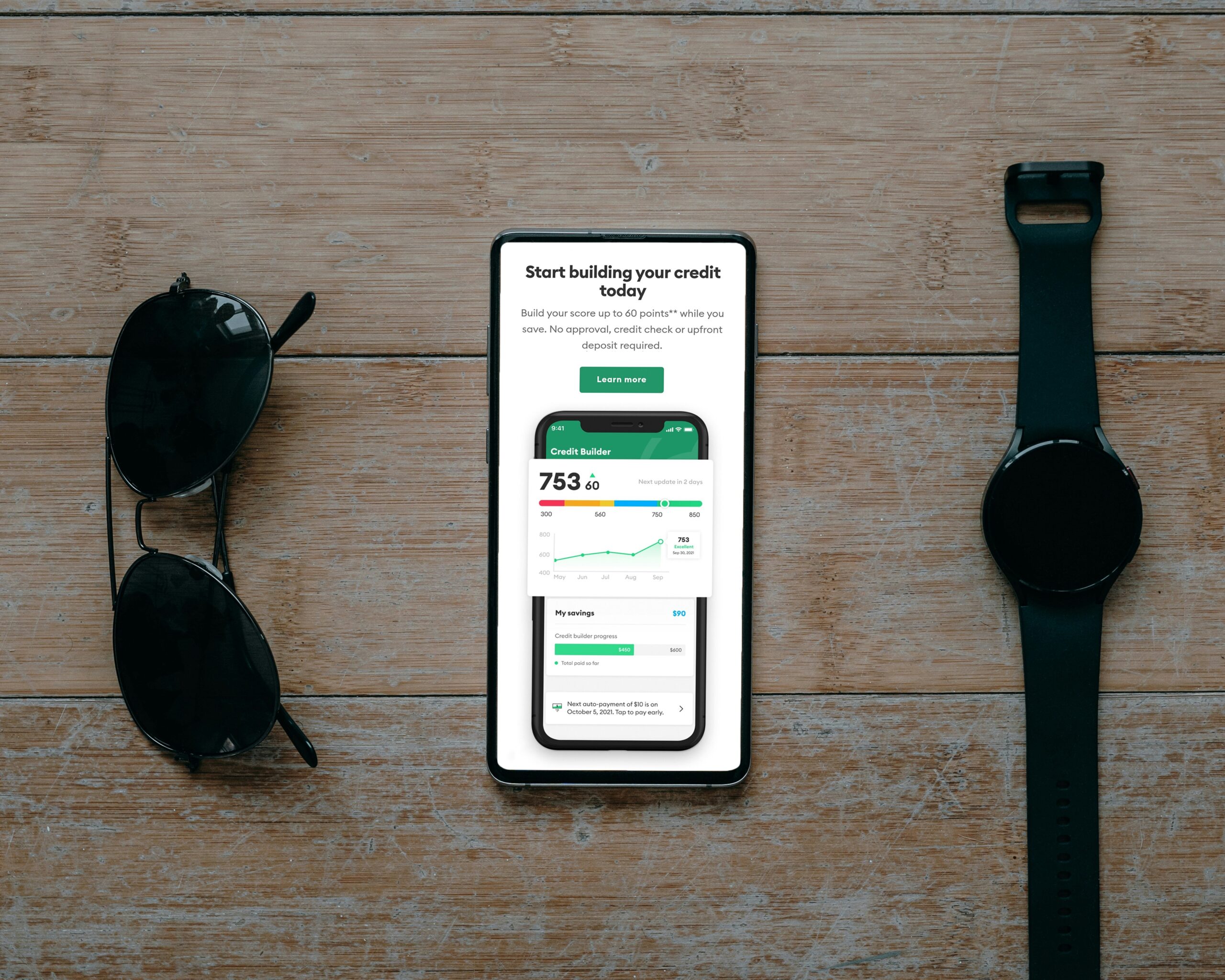
Your credit score controls more of your financial life than almost anything else. It determines your VA loan interest rate, your car insurance premium, your ability to get approved for a business loan, and in some cases whether you can rent an apartment.
A 50-point difference in your credit score can mean tens of thousands of dollars over the life of a mortgage. That’s not an exaggeration — on a $400,000 VA loan, the difference between a 6.0% and a 6.5% rate is over $40,000 in interest over 30 years.
The good news is that your credit score isn’t permanent. It’s a system with rules, and once you understand the rules you can move the number in your favor faster than most people think.
Here’s exactly how to do it.
Step 1: Know Your Starting Point
You can’t fix what you can’t see. Before anything else, pull your credit score and review your full credit report.
The fastest free option is Credit Karma. It gives you your score from two of the three major bureaus (TransUnion and Equifax), updates weekly, and breaks down exactly what’s helping and hurting your score. No credit card required, no trial to cancel.
You’re also entitled to one free credit report per year from each bureau through AnnualCreditReport.com. This shows your full report — every account, every payment, every inquiry.
Look at your report carefully. Check for errors, accounts you don’t recognize, and any negative marks. Mistakes on credit reports are more common than you’d think, and disputing them can give your score an immediate boost.
Step 2: Understand What Drives Your Score
Your credit score is calculated from five factors, and they’re not weighted equally.
Payment history (35%) — This is the single biggest factor. One missed payment can drop your score by 50 to 100 points. Every payment on every account needs to be on time, every month, no exceptions.
Credit utilization (30%) — This is how much of your available credit you’re using. If you have a $10,000 credit limit and a $3,000 balance, your utilization is 30%. The lower this number, the better. Under 30% is acceptable. Under 10% is ideal.
Length of credit history (15%) — How long your accounts have been open. This is why you should never close your oldest credit card even if you don’t use it. Keep it open with a small recurring charge and auto-pay.
Credit mix (10%) — Having different types of credit — credit cards, an auto loan, a mortgage — helps your score. Don’t take on debt you don’t need for this, but know that it’s a factor.
New inquiries (10%) — Every time you apply for credit, a hard inquiry hits your report and temporarily drops your score by a few points. Space out your applications and don’t apply for credit you don’t need.
Step 3: Fix Errors on Your Report
Pull your full credit report and go through every line. Look for accounts that aren’t yours, payments marked late that you paid on time, incorrect balances, and duplicate entries.
If you find errors, dispute them directly with the credit bureau that’s reporting the mistake. You can do this online through Equifax, Experian, or TransUnion. The bureau has 30 days to investigate and respond.
Removing even one incorrect negative mark can boost your score significantly. This is the fastest way to see improvement and it costs you nothing but time.
Step 4: Pay Down Credit Card Balances
Credit utilization is the fastest lever you can pull after fixing errors. If your cards are carrying balances above 30% of their limits, paying them down will have an immediate impact on your score.
The ideal approach is to pay your balance down to under 10% of your limit on every card. If you can’t do that right away, focus on the card with the highest utilization percentage first.
A strategy that works well is making payments twice a month instead of once. Credit card companies report your balance to the bureaus on your statement date. If you pay down the balance before that date, the lower balance is what gets reported — even if you use the card again after.
Step 5: Set Up Auto-Pay on Everything
This is non-negotiable. Payment history is 35% of your score, and one missed payment can undo months of progress.
Set up auto-pay for at least the minimum payment on every account you have — credit cards, student loans, car payment, phone bill. Then set a calendar reminder to pay more than the minimum on cards carrying balances.
If cash flow is tight, prioritize auto-pay for the minimum on everything first. A minimum payment on time is infinitely better than a missed payment.
Step 6: Become an Authorized User
If you have a spouse, parent, or family member with excellent credit and a long-standing credit card, ask them to add you as an authorized user. Their account history gets added to your credit report, which can boost your score — especially if the account is old with perfect payment history and low utilization.
You don’t even need to use the card. Just being listed on the account helps.
This works particularly well for veterans who are just starting to build credit after service or recovering from financial setbacks during transition.
Step 7: Don’t Close Old Accounts
Closing a credit card hurts your score in two ways. It reduces your total available credit (which increases your utilization ratio), and over time it shortens your credit history.
If you have an old card you don’t use, keep it open. Put a small subscription on it — Netflix, a streaming service, anything — and set it to auto-pay. That keeps the account active and aging in your favor.
Step 8: Limit Hard Inquiries
Every time you apply for a new credit card, loan, or line of credit, the lender pulls a hard inquiry on your report. Each one drops your score by a few points and stays on your report for two years.
The exception is rate shopping for mortgages or auto loans. Multiple inquiries for the same type of loan within a 14 to 45 day window count as a single inquiry. So when you’re shopping for a VA loan, get all your quotes within the same two-week period.
Why Your Credit Score Matters Even More as a Veteran
Most people need good credit to buy a house. As a veteran, you need good credit to maximize one of the most powerful wealth-building benefits available to you.
The VA loan offers zero down payment and no PMI — but your interest rate still depends on your credit score. A higher score means a lower rate, which means a lower monthly payment, which means better cash flow if you’re house hackingor building a rental portfolio.
Your credit score also affects your ability to get approved for business financing if you’re planning to start an SDVOSB or acquire a business through SBA lending.
And if you’re working on the BRRRR strategy, your credit score determines whether you can refinance at favorable terms — which is the entire mechanism that makes the strategy work.
Every point on your credit score translates to real dollars in your pocket.
The Timeline: How Fast Can You Improve?
Credit improvement isn’t instant, but it’s faster than most people think.
Week 1: Check your score, pull your full report, dispute any errors. Sign up for Credit Karma to track your progress weekly.
Month 1: Set up auto-pay on everything. Pay down the highest-utilization card first. Become an authorized user if possible.
Month 2–3: Errors start getting resolved. Utilization drops are reflected. Score movement begins.
Month 3–6: Consistent on-time payments compound. Utilization stays low. Score climbs steadily.
Most veterans can improve their score by 50 to 100 points within six months by following these steps consistently. That’s enough to move from a mediocre rate to a great one — and save thousands on your next loan.
The Bottom Line
Your credit score isn’t a judgment of who you are. It’s a game with rules, and you can learn the rules. Check where you stand with Credit Karma, fix what’s broken, and start building the number that unlocks everything else.
For a complete list of financial moves every veteran should make, check out The Ultimate Veteran Financial Checklist.