
The BRRRR method is one of the most effective real estate investing strategies ever developed. For veterans it becomes even more powerful when combined with VA loan benefits and military discipline. Here’s exactly what it is and how to use it.
What BRRRR Stands For
BRRRR stands for Buy, Rehab, Rent, Refinance, Repeat. It’s a strategy for building a real estate portfolio by recycling the same capital over and over rather than needing a large amount of money for each new purchase.
The core idea is simple. You buy a distressed property below market value, renovate it to increase its value, rent it out to generate cash flow, refinance it to pull your invested capital back out, and then use that capital to buy the next property and do it again.
Done correctly the BRRRR method allows you to build a real estate portfolio with a relatively small amount of starting capital — because you’re recycling the same money through each deal rather than leaving it locked up in the property.
Step One: Buy
The key to BRRRR is buying below market value. You’re looking for distressed properties — homes that need work, motivated sellers, or properties that have been sitting on the market. The discount you get on the purchase is where your profit and equity come from.
In the Phoenix metro area distressed properties appear regularly in markets like south Phoenix, parts of Mesa, and older neighborhoods in Glendale. You’re looking for properties where the after repair value — what the property will be worth once renovated — is significantly higher than the purchase price plus renovation costs.
A simple rule: your total cost including purchase price and renovation should be no more than 70 to 75 percent of the after repair value. This ensures you have equity in the property after the renovation and enough room to refinance and pull your capital back out.
Step Two: Rehab
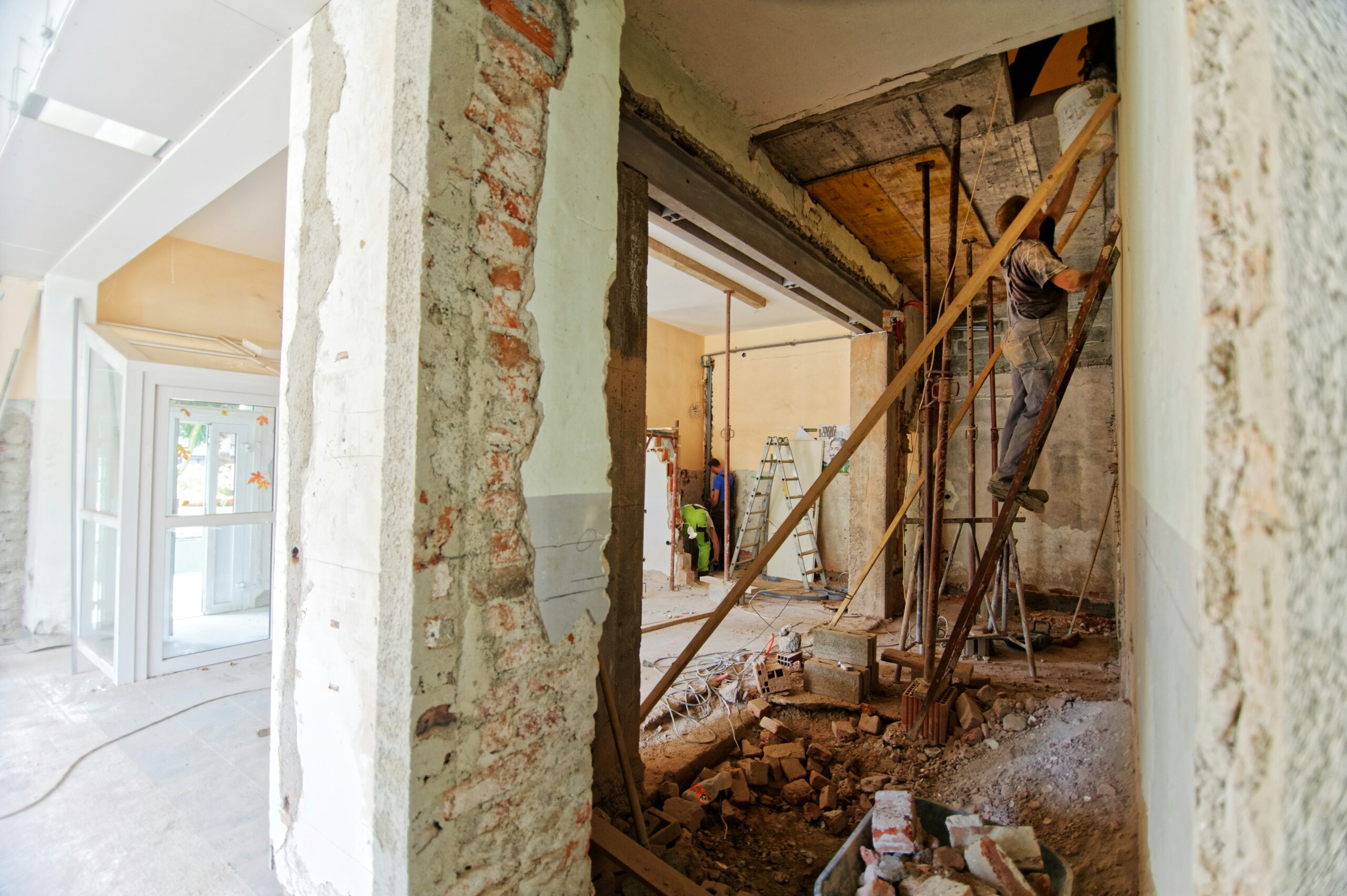
The renovation doesn’t need to be a full gut renovation. You’re looking for cosmetic improvements that dramatically increase value — new flooring, paint, kitchen updates, bathroom updates, landscaping. These improvements are relatively inexpensive but have a major impact on appraised value and rental income.
Focus on improvements that increase rent and appraised value. Avoid over-improving for the neighborhood — you want to be competitive with comparable rentals in the area, not the nicest house on the block.
Step Three: Rent
Once the renovation is complete you place a tenant. A good tenant at market rent does two things — it generates monthly cash flow and it demonstrates income to the lender when you go to refinance.
Screen tenants carefully. Look for stable employment, clean rental history, and income of at least three times the monthly rent. A quality tenant in place makes the refinance process smoother and protects your investment.
Step Four: Refinance
After the renovation is complete and a tenant is in place you refinance the property. A cash-out refinance replaces your original financing with a new loan based on the property’s new appraised value — the higher value you created through the renovation.
If you bought a property for $150,000, put $40,000 into renovations, and the property now appraises for $260,000, a 75 percent cash-out refinance gives you $195,000. You pay off your original financing and pull out your renovation capital plus additional equity — essentially recovering all of your invested cash.
Step Five: Repeat
You take the capital you pulled out in the refinance and use it to buy the next property. The cycle begins again. Each property you add to your portfolio generates monthly cash flow and builds equity while you move on to the next deal.
How Veterans Can Supercharge BRRRR
Veterans have a unique advantage in the BRRRR strategy. While BRRRR typically requires cash or hard money loans for the initial purchase — since distressed properties often don’t qualify for conventional financing — veterans have additional options.
VA renovation loans allow you to finance both the purchase and renovation costs in a single loan. This dramatically reduces the capital needed to execute the BRRRR strategy and gives veterans an edge over civilian investors who need cash or expensive hard money loans to acquire distressed properties.
Additionally the discipline and systems thinking developed through military service translates extremely well to managing renovation projects and building systems for a rental portfolio.
The Long Term Vision
A veteran who executes one BRRRR deal per year starting at age 25 could have ten properties by age 35. At an average of $200 per door in monthly cash flow that’s $2,000 per month in passive income from a portfolio worth well over $2 million in equity.
That’s before factoring in appreciation, rent increases, or the compounding effect of recycling capital into larger deals over time.
Getting Started
Start by studying your target market. Understand what properties sell for, what renovations cost, and what market rents are. Drive neighborhoods. Look at distressed listings. Run the numbers on deals until you can identify a good one quickly.
Your first BRRRR deal will be the hardest. The second will be easier. By the third it becomes a system.
That’s the goal — build the system, then let the system build your wealth.
If you want to go deeper on the BRRRR strategy, The Book on Rental Property Investing by Brandon Turner is the best resource available.